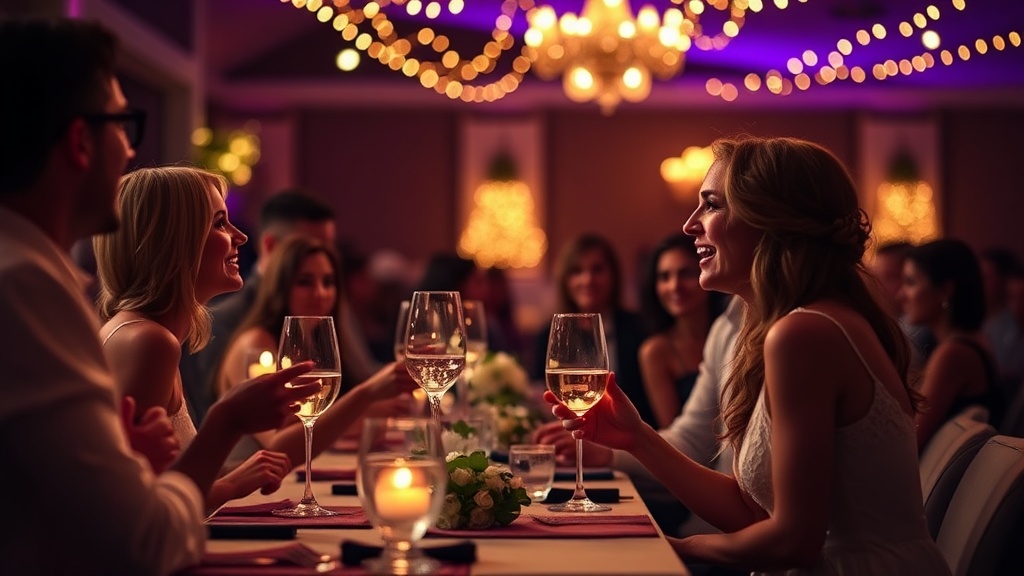
Designing a Wedding Guest Experience That Actually Feels Personal

Why Guest Experience Matters More Than You Think
According to recent hospitality studies, the long-term memory of a special event isn't tied to the price of the floral arrangements, but rather to how guests felt during the transitions between events. When people talk about their favorite weddings years later, they don't usually mention the thread count of the napkins; they talk about the warmth of the greeting or the ease of the seating. This post explores how to move past generic hospitality and create a sense of intentionality that makes every person in the room feel seen.
A lot of couples fall into the trap of treating guests like a headcount—a number to be fed and seated. But if you want your wedding to feel like a celebration of your specific relationship, you have to look at the tiny, often overlooked touchpoints. It's about the friction points: the long lines for the bar, the lack of shade at an outdoor ceremony, or the confusing directions to the reception. These are the things that stick in people's minds (and not in a good way).
How do I make guests feel welcome without overspending?
You don't need a massive budget to show care. In fact, some of the most impactful gestures are nearly free. Think about the small details that show you've considered their comfort. If you're hosting an outdoor summer wedding in Asheville, providing fans or even just a sign that says "Feel free to grab a water bottle" shows you've thought about the heat. It's a small gesture, but it's a signal of care.
Another way to approach this is through the way you present information. A well-structured wedding website is a tool for guest comfort. If your guests know exactly where to park, what the terrain is like (will they be walking in heels?), and what the dress code actually means, they'll arrive feeling much more relaxed. You can find excellent templates and advice on guest communication through resources like The Knot, which offers various ways to keep people informed.
- The Welcome Note: A handwritten note at a hotel room or a simple digital message before the event can set the tone.
- Food and Beverage Nuance: Don't just offer a menu; acknowledge dietary restrictions openly. It makes people with allergies feel safe rather than like a burden.
- Transition Management: If there is a gap between the ceremony and the cocktail hour, give them something to do. A lounge area or a specific music set can prevent that awkward "what now?" feeling.
Can a personalized menu improve the mood?
Food is one of the biggest touchpoints of any event. While you might not be able to cater to every single person's specific craving, you can certainly reflect your personality through it. Maybe your favorite late-night snack is street tacos, or perhaps you have a deep love for a specific local bakery. Including these elements makes the meal feel like a part of your story rather than just a standard catering package.
When planning a menu, think about the flow of the evening. A heavy meal right before a lot of dancing might make people sluggish, while a light, tapas-style spread keeps the energy high. If you want to research seasonal food pairings or local ingredients to make your menu more interesting, checking out Food Network for culinary inspiration can be a great way to spark ideas that feel authentic to you.
| Generic Approach | Personalized Approach |
|---|---|
| Standard seating chart | Assigned seating with a small note about why that person is special |
| Standard open bar | A signature cocktail that represents a shared memory or favorite flavor |
| Generic party favors | Something useful or consumable that guests will actually use |
What are the best ways to handle guest comfort during transitions?
The most awkward moments in a wedding often happen in the "in-between" times. This is when the ceremony ends but the reception hasn't started, or when people are moving from a ceremony site to a dining area. To avoid the lull, consider the following:
- Music as a Bridge: Use music to signal the change in mood. A lively acoustic set for a cocktail hour tells guests it's time to socialize, while a transition to a higher tempo signals the start of the party.
- Signage That Actually Works: Don't assume people know where to go. Clear, aesthetically pleasing signs for restrooms, the bar, and the guest book station prevent the frustration of wandering around.
- The "Comfort Station":ment: If you have a long outdoor ceremony, a small basket with sunscreen, bug spray, or even hand warmers (depending on the season) is a gesture that gets noticed.
It's easy to get lost in the logistics of a wedding, but remembering that your guests are there to celebrate with you—not just to watch a ceremony—changes your perspective. When you focus on their experience, the wedding stops being a checklist and starts being an event. Whether it's the way the lighting hits the tables or the way a waiter hands someone a glass of water, these small, intentional choices are what create a lasting impression of a well-loved celebration.