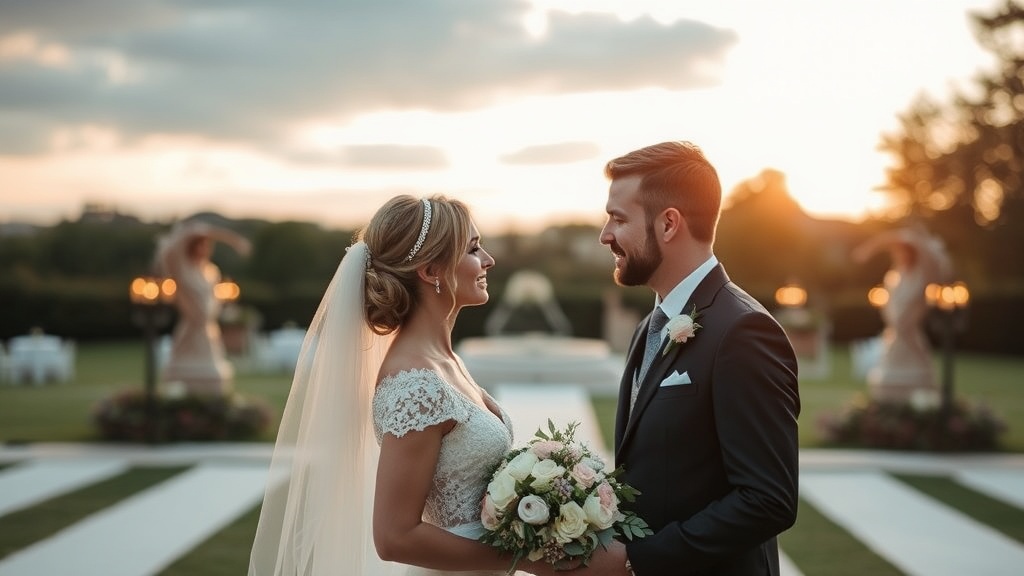
Finding Your Perfect Wedding Day Aesthetic Without Stress
You will learn how to identify your wedding style, build a cohesive visual identity, and make decisions that prevent "decision fatigue" during the planning process. This guide provides practical frameworks to help you move from a messy Pinterest board to a clear, actionable design plan.
Choosing a wedding aesthetic isn't just about picking a color. It’s about creating a mood that feels like you. If you don't have a clear direction early on, you'll likely find yourself buying decor that doesn't match, which is a massive waste of money (and sanity).
How Do I Find My Wedding Style?
You find your wedding style by identifying the recurring themes in your daily life and the environments where you feel most comfortable. Instead of looking at what's "trending" on Instagram, look at your own bookshelf, your favorite clothing brands, or even the way you decorate your living room.
Most couples fall into one of several distinct categories. To get started, look through your personal belongings. Do you own a lot of linen and wood (Organic/Boho)? Or is your apartment filled with sleek lines and marble (Modern Minimalist)?
Here is a breakdown of common wedding aesthetics to help you categorize your preferences:
| Aesthetic Style | Key Elements | Typical Color Palettes |
|---|---|---|
| Bohemian | Macramé, dried pampas grass, textured textiles | Terracotta, ochre, dusty rose |
| Modern Minimalist | Clean lines, negative space, acrylic furniture | Black, white, monochromatic |
| Classic/Traditional | Ornate details, heavy florals, formal seating | Ivory, gold, navy, sage |
| Garden/Romantic | Soft florals, fairy lights, whimsical textures | Pastels, lavender, blush |
A quick tip: if you find yourself liking two very different styles, try to find the common thread. Maybe you love the "moody" vibe of a dark room but the "softness" of a garden wedding. That's a perfectly valid direction.
The Pinterest Trap
Pinterest is a great tool, but it can also be a trap. You might end up with a board full of 500 images that don't actually look like they belong together. If you see a lot of gold-rimmed glassware in one photo and a rustic wooden table in another, you're already seeing a conflict.
When you are looking at images, don't just look at the pretty flowers. Look at the lighting. Look at the textures. Are the surfaces matte or shiny? Are the shapes sharp or rounded? These are the details that actually build an aesthetic.
What Colors Work Well Together?
Colors work well together when you follow a specific ratio of primary, secondary, and accent tones. A common mistake is trying to use too many bright colors, which can make your wedding look like a rainbow rather than a cohesive event.
A foolproof way to build a palette is to choose one neutral base and add two or three accent colors. For example, if you choose a "Neutral/Organic" base (think cream and beige), you might add sage green and a muted copper. This keeps things grounded.
If you're feeling stuck, I highly recommend looking at Pantone's color-finding tools. They are the gold standard for color theory. Even if you aren't a designer, understanding how colors interact can prevent a "clashing" look during your reception.
Remember, the lighting in your venue will change how your colors look. A dark, candlelit room will make deep jewel tones pop, while a bright, outdoor afternoon wedding will make pastels look much more vibrant. Always check your color swatches under different lighting conditions if possible.
Building Your Mood Board
- Select a Core Vibe: Choose three words that describe your wedding (e. "Elegant, Timeless, Serene" vs. "Edgy, Urban, High-energy").
- Create a Color Palette: Pick one base color and two accent colors.
- Gather Textures: Don't just look at colors; look at materials like velvet, linen, or brass.
- Select a "Hero" Element: This is the one big thing that defines the look—maybe it's a massive floral installation or a specific type of vintage furniture.
How Much Does a Wedding Aesthetic Cost?
The cost of your aesthetic depends entirely on the materials and the scale of the decor you choose. A "Minimalist" aesthetic might actually be more expensive if it requires high-end, custom-built furniture, whereas a "Rustic" aesthetic might be cheaper if you use natural elements like wood and greenery.
Here is where people often get caught off guard. You might think a "Simple" wedding is cheap, but high-quality linen napkins and custom signage add up quickly. To keep costs under control, focus your budget on the elements that guests interact with most—like your table settings and lighting.
"The most expensive part of a wedding aesthetic isn't the flowers; it's the unexpected small details like custom stationery and specialized lighting rentals."
If you are working with a strict budget, I suggest looking at the official government resources on budgeting or similar financial planning sites to understand how to allocate your funds. It's better to do one thing beautifully than five things poorly.
One way to save is to "rent" your aesthetic rather than buying it. Instead of buying cheap, plastic-looking decor that you'll never use again, rent high-quality pieces from a local event company. It looks better and is often more cost-effective in the long run.
Also, don't overlook the power of greenery. Large-scale floral arrangements are incredibly pricey. However, using lots of greenery (like eucalyptus or ferns) can fill a space and create a lush, expensive feel without the massive price tag of imported peonies or orchids.
If you find yourself getting overwhelmed by the sheer volume of choices, take a step back. You don't need every single piece of decor to be "on-brand." As long as your main elements—the table, the flowers, and the lighting—share a common language, the rest will fall into place.
The most important thing to remember is that your wedding is a celebration of your relationship, not a museum exhibit. If you love a certain color or a specific type of music that doesn't perfectly fit your "aesthetic," use it anyway. A perfect wedding is one that feels like you, even if it's a little messy around the edges.
If you're ready to start your planning, I suggest grabbing a notebook and writing down your three "core words" first. Everything else follows from there.